Funny Animal Rides Wholesale, Custom Electric Animal Rides | Lulu Toy Car.
Language
Most mall attractions eat through budgets before they earn a single dollar back. Mechanical animal rides flip that math on its head. With startup costs as low as a few thousand dollars and per-ride fees stacking up daily, these plush ride-on animals can turn a 40-square-meter corner into a revenue stream that pays itself off within weeks.
And yet, most mall operators still overlook them completely.
This guide lays out the technical and professional reasons why mechanical animal rides have climbed to the top of the ROI ladder for shopping malls in 2026. Here is what we will cover:
● Why the cost-to-revenue ratio on mechanical animal rides outperforms most mall attractions
● How low maintenance demands and long product lifespans protect your margins
● Why foot traffic patterns in 2026 favor interactive, family-friendly installations
● How coin-operated and digital payment systems maximize per-ride income
● What makes mechanical animal rides scalable across locations without heavy reinvestment
Every section that follows gives you a concrete, numbers-backed reason to take these rides seriously as a business asset.
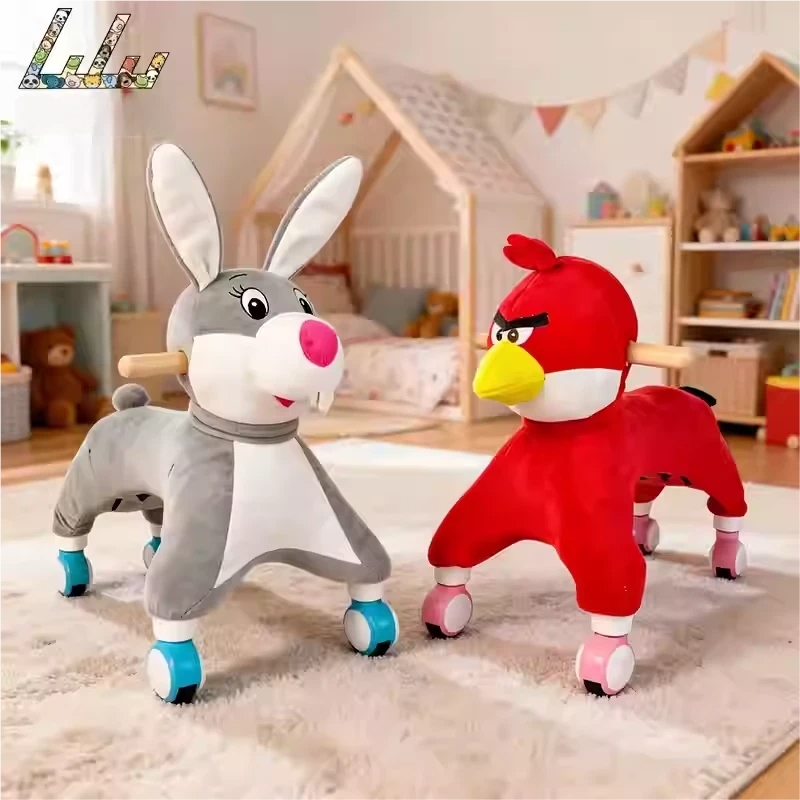
With mechanical animal rides, the financial hurdle to getting started is actually pretty low compared to the other kinds of mall attractions that cost an arm and a leg to set up. A standard ride can cost anywhere from $500 to $3,000, depending on how big it is, the quality of the materials, and any custom touches you want to add.
That means you can squeeze a whole fleet of 6 to 8 rides into a small space for an investment that's not going to break the bank.
Here's what sets the cost structure up for mall operators to really succeed:
● The per-ride fee ranges from $3 to $7 - so each ride can earn you $60 to $100+ in a normal day, assuming you get some decent foot traffic
● A fleet of 6 rides running 20 rides a day can bring in a whopping $18,000+ per month after you take out expenses, which is a pretty nice chunk of change
● To top it all off, you don't have to shell out for heavy construction, special permits for making structural changes, or any of the other headaches that often come with setting up a new attraction in a mall
The payback time on mechanical animal rides can be as little as 30 days or as long as 90 days - depending on how busy the place is and how you price your rides. But either way, the return is pretty darn quick - and that's a rare thing in the world of mall-based attractions.
Factory-direct pricing from manufacturers in China has become more competitive this year, and bulk orders now come with OEM and ODM options at no added cost in many cases. That means you can brand the rides to match your mall's theme or seasonal campaigns without inflating your upfront spend.
You don't need a crew of specialists to keep mechanical animal rides running. That's one of the first things operators notice. A single staff member can handle an entire fleet of rides during business hours, and the labor cost stays laughably low compared to most other mall attractions that demand shift rotations or trained attendants.
The maintenance picture is equally forgiving, and honestly, that's where a lot of the profit protection comes from:
● Plush covers pop right off for washing, which keeps everything sanitary without hiring professional cleaning teams
● Wheels are made from eco-friendly PU material that performs well on tile, polished concrete, and pretty much any smooth indoor floor
● Motors and batteries follow standardized specs, so sourcing a replacement part won't turn into a headache or a budget hit
● Coin-operated and button-start systems run on minimal moving components, and fewer parts means fewer things going wrong
The typical commercial lifespan of these rides lands somewhere between 3 and 6 years. That said, plenty of operators have kept their units going past the 10-year mark with nothing more than routine care. When you pair low running costs with a product that refuses to quit, your margins stay intact month after month (which is rare for mall-based attractions, if we're being honest).
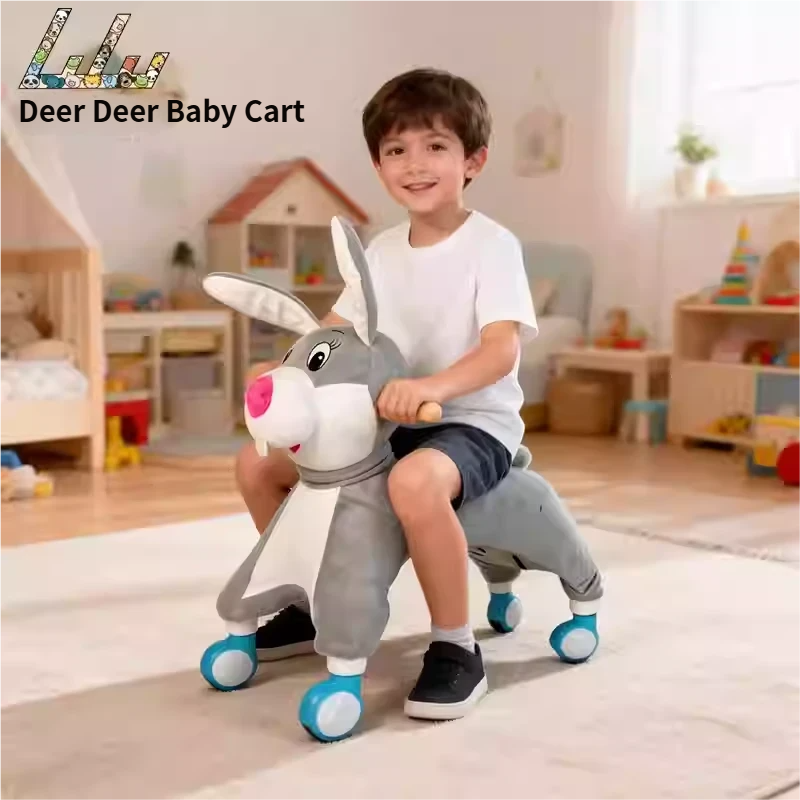
Malls everywhere are pivoting hard. The old model of filling square footage with retail alone stopped working a while ago, and 2026 has only accelerated the shift toward experience-driven foot traffic. Families with young kids happen to be one of the most dependable visitor groups out there, and mechanical animal rides tap right into that segment without overcomplicating your setup.
A few things are making this trend hit harder this year:
● E-commerce keeps pulling shoppers away from physical stores, so malls that offer something you can't get through a screen have a real competitive edge
● Family-friendly zones tend to stretch out how long visitors stick around, and that extra dwell time bleeds into higher spending at nearby food courts, shops, and entertainment spots
● Parents love sharing clips of their kids on ride-on animals, and that kind of organic social media content does your marketing for you at zero cost
Here's the thing about mechanical animal rides in this context. They're bright, they move, and kids gravitate toward them almost instantly. Place a ride station next to a busy corridor, and what used to be a walkway people blew past becomes a spot they actually stop at. Families who connect your mall with a good time for their children don't need much convincing to come back the following weekend, and that repeat traffic is where the real long-term value sits.
How you collect payment on your mechanical animal rides affects your revenue more than most operators expect. It's not a minor detail. In 2026, two systems dominate the market: coin-operated setups and non-coin button-start models. Each one suits a completely different type of operation, and picking the wrong one can quietly eat into your take.
Here's how they stack up against each other:
● Coin-operated rides give you granular control over session length, letting you tie play duration to the number of coins dropped in, anywhere from 1 coin for a quick spin to 9 coins for a full 19 minutes
● Non-coin models run off a basic on/off switch with no built-in timer, which makes them a better fit for party rental gigs or flat-fee indoor play areas
● The price tag on both systems is identical from most manufacturers, so this really comes down to how you plan to run things on the ground
Now here's where 2026 adds an interesting wrinkle. Cashless payments are catching on fast, and newer mechanical animal ride models can be outfitted with QR code scanners or NFC terminals right out of the box.
That matters more than it sounds like it should, because parents who don't have coins on them (which, let's be real, is most of them these days) won't walk away from a ride their kid is already eyeing. You're removing a friction point that used to cost operators a surprising number of missed transactions every single day.
Pro Tip: Coin-operated systems tend to perform best in open mall corridors where a staff member can keep tabs on the income flow. On the flip side, non-coin setups work better inside enclosed play zones or rental operations where you're charging a flat hourly rate and don't need per-ride tracking.
One of the strongest reasons mechanical animal rides rank at the top of the ROI list is how easily they scale. Adding new units to a location or rolling rides out across multiple mall sites does not require a new business model, fresh training programs, or significant capital reinvestment.
Here is what makes scaling straightforward:
● Each ride is a self-contained unit with its own motor, battery, and control system, so there are no shared infrastructure dependencies
● You can start with 3 to 4 rides at a new location and expand based on demand without reconfiguring the space
● OEM customization lets you match the ride themes to different mall demographics or regional preferences, from horses and elephants to unicorns and dinosaurs
● Shipping from factory-direct manufacturers typically takes 7 to 15 business days for standard models, with bulk container orders holding 48 to 340 units, depending on size
Scaling is where the compounding effect of mechanical animal rides truly shows itself. Once the first location proves profitable, replicating that setup in a second or third mall becomes a low-risk move with a predictable return. The product, pricing, and staffing model stay the same, and the only variable left to optimize is placement within each new venue.
Mechanical animal rides have earned their spot as the top ROI attraction for shopping malls in 2026, and the reasons are anything but accidental. From razor-thin startup costs to maintenance demands that barely dent your budget, every piece of the business model is built to put money back in your pocket faster than most alternatives on the market.
Here are the highlights worth holding onto:
● Startup costs stay low, with individual units ranging from $500 to $3,000 and full fleet setups requiring no structural work
● One staff member can manage an entire ride station during operating hours
● Rides last 3 to 6+ years under heavy commercial use with basic upkeep
● Coin-operated and cashless payment systems give you flexible revenue models
● Scaling across multiple mall locations follows the same proven playbook with minimal added risk
If you are looking to put a high-margin, family-friendly attraction in your mall, Lulu Toy Car manufactures mechanical animal rides with over 20 years of factory-direct experience, full OEM customization, and a product catalog of 120+ animal designs built for commercial use.