Funny Animal Rides Wholesale, Custom Electric Animal Rides | Lulu Toy Car.
Language
Picking an animal ride based on how cute it looks is a quick way to waste money. Mechanical animal rides and motorized animal rides serve very different business models, and the wrong choice can drain your budget before you even collect your first dollar. The price tag is only part of the equation. Operational costs, revenue potential, and placement all shift depending on which type you go with.
This guide lays the numbers out and breaks each option down so you can match the right ride to your setup:
● How mechanical animal rides stack up in cost, revenue, lifespan, and ideal placement
● How motorized animal rides compare across the same factors
● Which settings favor which ride type, and why the difference matters for your bottom line
Your business model should drive this decision, not the other way around.
Mechanical animal rides are pretty straightforward. A kid gets on, grips the handlebars, and moves the animal forward using their own body. No batteries, no motors, and no charging stations to worry about. That's probably exactly what makes them so attractive for certain business models - ease of use and low maintenance.
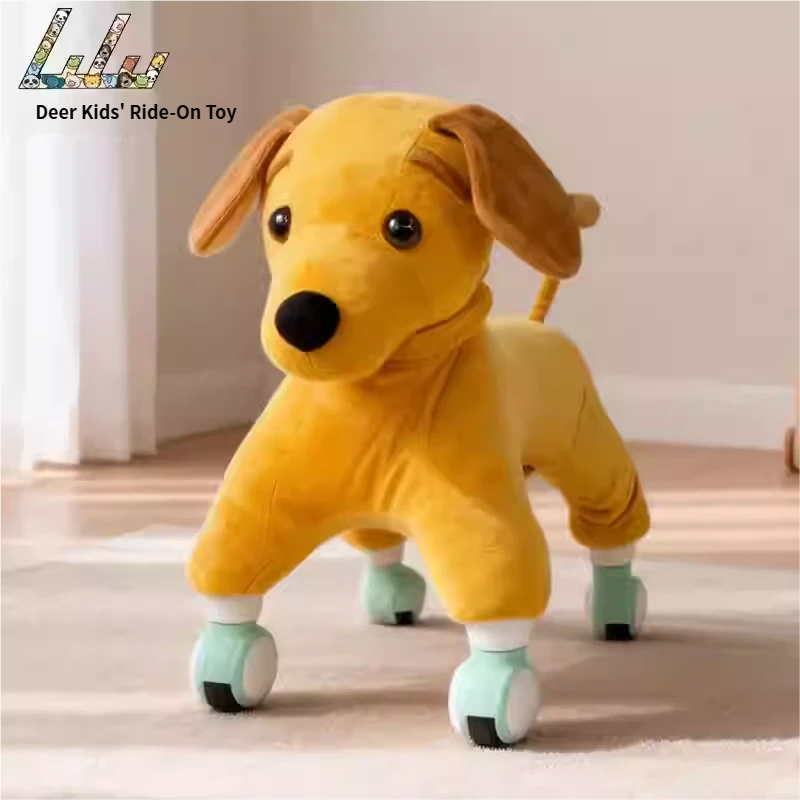
The ride uses a simple spring-loaded or lever-based mechanism that converts the kid's up-and-down motion into forward movement. They essentially "gallop" by shifting their weight, and the animal ends up moving on wheels across a flat surface.
A few things to keep in mind about the mechanics here :
● Because there's no electricity involved, you don't have to worry about wiring, battery swaps, or motor replacements
● The frame is built using steel reinforcement under the plush exterior, so it's nice and sturdy
● PU wheels let the ride roll on tile, concrete, hardwood, and other smooth surfaces
● Weight capacities range from 50 lbs for mini models right up to 150+ lbs for commercial-grade units
The upfront cost of mechanical animal rides is generally going to be much lower than for motorized counterparts. You're only paying for the frame, the plush coat, the wheel assembly, and the spring mechanism - no electronics to worry about in the price.
And when it comes to ongoing costs, they're generally pretty low because not much can go wrong:
● You'll probably need to replace the plush coat every 6 to 12 months in high-traffic settings
● Wheel bearings will need a bit of maintenance now and then - a bit of grease or a swap every now and then
● No electricity costs because the ride is powered by the kids
● Storage is a breeze because the units are lightweight and stackable
Mechanical animal rides generate money differently than motorized options. They work best in settings where you rent the rides out by the hour or charge a flat entry fee for a play zone, rather than relying on per-ride coin operation.
The placements that get the most out of these rides include:
● Indoor play areas and kids' zones where children roam freely, and parents pay a flat admission fee
● Birthday party venues that rotate rides across groups throughout the day
● Retail stores and restaurants that use them as a free perk to keep families coming back longer
● Home use resellers who sell mini and small units directly to parents
A well-built mechanical animal ride can last 3 to 5 years in a commercial environment with daily use. Home-use models can stretch well beyond that since the wear is significantly lighter. The plush coat will need periodic replacing, but the internal frame and mechanism hold up over time with minimal attention.
When sourcing mechanical animal rides, look for manufacturers that offer removable, washable, and replaceable coats. This single feature can extend your ride's usable life by years and keep the units looking fresh for customers.
Motorized animal rides bring a completely different value proposition to the table. These units are battery-powered, motor-driven, and designed for hands-free forward motion. The child sits on, presses a button, or inserts a coin, and the ride moves on its own. That "wow factor" is what pulls families across a crowded mall floor.
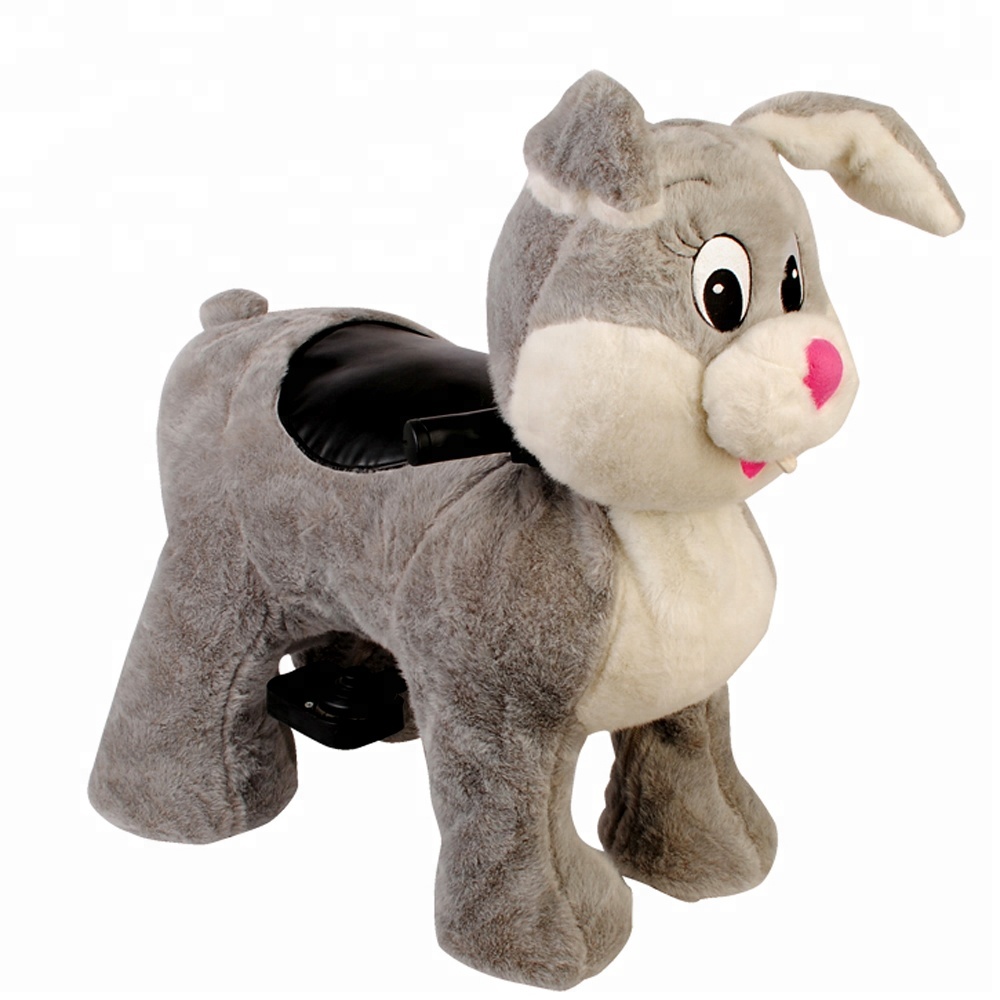
A motorized animal ride runs on a rechargeable battery (usually 12V or 24V) connected to an electric motor that drives the wheels. The rider steers using handlebars, and the ride moves forward at a controlled, child-safe speed.
Here is what sets the motorized setup apart:
● Multiple start options, including coin-operated, remote control, key start, and basic button activation
● Steering control gives kids the feeling of actually driving the animal
● Built-in timers let operators set ride durations (typically 5 to 7 minutes per session)
● Sound modules and LED lights on many models add an extra layer of engagement
Motorized animal rides carry a higher price tag upfront. You are paying for the motor, battery pack, control board, wiring, and often a coin or card payment system on top of the plush body and steel frame.
The ongoing operational costs are also more involved:
● Battery replacement is needed every 1 to 2 years, depending on daily charge cycles
● Motor servicing may come up after extended commercial use
● Electricity costs for daily charging, though relatively modest per unit
● Control board repairs can be the priciest maintenance item if a unit takes damage
● Plush coat replacement on the same cycle as mechanical rides, roughly every 6 to 12 months
This is where motorized animal rides pull ahead for high-traffic commercial operators. The coin-operated and card-payment models let you generate per-ride revenue without staffing the attraction. A single ride session at $5 for 7 minutes, across 20 sessions per day, starts to add up in a hurry.
The best placements for motorized animal rides include:
● Shopping malls near food courts, lobbies, and high-footfall corridors where impulse buys happen naturally
● Outdoor events and festivals that attract families looking for kid-friendly activities
● Amusement parks and family entertainment centers where per-ride pricing is the standard model
● Hotel resorts and vacation spots that want an attraction for younger guests
A commercial-grade motorized animal ride typically lasts 2 to 4 years of heavy daily use before major components like the motor or battery system need a full overhaul. The electronics are the limiting factor here, not the frame or plush exterior.
Pro tip: Ask your manufacturer about the availability of spare parts before you place your order. A ride sitting idle because you cannot find a replacement control board is a ride that is losing you money every single day.
So, let's cut to the chase - the answer to which one is right for you comes down to how you plan to make your money back. If you're running a play zone, party venue, or retail space where the rides are part of a much bigger deal, then mechanical animal rides are probably your best bet. They cost less upfront and are a heck of a lot simpler to operate. But if you've got a mall kiosk, amusement zone or are in an event business where every ride is a transaction, then motorized animal rides are probably going to give you the faster, more direct returns you're after.
Both are gonna do well when you pair 'em up with the right business model. The key is to line the ride up with the way you make your money, how much foot traffic you get through the venue, and how much maintenance you're willing to handle.
Companies like Lulu Toy Car will even offer both mechanical and motorized animal rides with all the bells and whistles - stuff like OEM customization, factory-direct pricing, and spare parts support to make scaling up a little easier once you've decided which way to go.